

Answer

Apr 30, 2022 - 11:14 AM
Product Hunt is like ‘Shark Tank’ and ‘Dragon’s Den,’ but without Mr. Wonderful trying to rip you off. Product Hunt’s goal isn’t necessarily cash but traffic, conversion, and adoption.
And for anyone not familiar with the site, Product Hunt is a platform that allows entrepreneurs to launch their products to an enthusiastic audience. If successful, you can get thousands of new visitors, including tech enthusiasts, marketers, and fellow founders.
The website started in 2014 and quickly grew to establish itself as the most accessible spot for entrepreneurs starting new websites, apps, and other software-related enterprises. These entrepreneurs were guaranteed a healthy volume of early users that could set up their business for success.
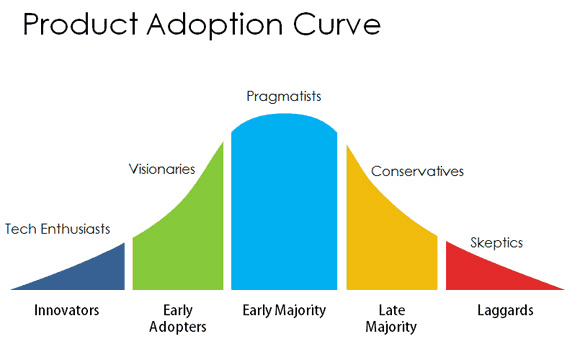
Courtesy: foundr.com
Project Hunt Major Successes
Product Hunt isn’t for everyone. Only a few people are willing to experiment with new websites and products. So, the platform’s primary audiences are innovators and early adopters, which is relatively small compared to other social media giants.
But, notwithstanding this shortfall, the company has a stellar track record of kick-starting several successful businesses like:
-
The once famous App, Yo
-
Ship Your Enemies a Glitter which later sold for $85,000.
-
Houseparty, a video chat app
-
Eero WiFi Systems
-
Front, a messaging tool
-
Digit, a personal finance SMS bot
-
Gimlet Media, a podcasting company
-
Shyp, a shipping company
-
Gigster, a smart software development tool.
-
And Robinhood. Yes, that Robinhood!
Here’s a Look at What’s Been Happening With the Platform
Product Hunt has, in many ways, been through humbling times. The site had tried several times to include additional services to its platform, but the moves always failed. The current status is:
-
Product Hunt’s global ranking currently stands at 15,800, dropping from its 14,748 high in January of 2022.
-
And between January and March 2022, the platform boasts 12.7 million views, a bounce rate of 60.10%, and an average viewer duration of just 2:39 minutes.
-
The platform has a high domain authority of 90, and 48% of its traffic is direct traffic.
Currently, the stats aren’t looking super sweet for Product Hunt, but if you still want to go ahead and launch your startup, here’s how to go about it.
How To Launch on the Platform

Image Credit: Unsplash
The simple step to creating and launching your product on any platform is to start by creating your product, talk about it on social media, and launch it on Product Hunt. If successful, you profit; if not, try again.
Here’s a breakdown of how it works on Product Hunt.
Step 1: Grow Your Influence Online
Ensure you grow your influence on Twitter, Email, Facebook, LinkedIn, and even Slack, before starting your journey with Product Hunt.
Why? Because success on Platforms like Product Hunt demands community support. And Product Hunt doesn’t provide opportunities for entrepreneurs to build their community on the platform. We recommend you join communities and Facebook groups connected to your niche and become active members.
Step 2: Finish up on Developing Your Product
Add the finishing touches on your product and get it tested to ensure it meets the correct industry standards. And since you’re targeting tech-enthusiasts and early adopters whose willingness to adopt your product can either boost or destroy your startup, ensure you maximize user experience and deliver on your promises.
Step 3: Find A Hunter
Ideally, you should find a well-known hunter at least two weeks before you’re ready to launch your product. They’re over 5,628 hunters on the platform as of 2020. You’ll also need to prepare a Hunter’s Kit, which is basically a breakdown of your product and everything it offers.
Here’s what your Hunter’s Kit must contain:
-
The name of your product (60 characters max)
-
Your product’s URL (include App URL if it’s an app)
-
Write a compelling tagline for your product, a summary of your product, and what users should expect.
-
Include high-quality media content (5 to 10 images, YouTube videos about your products, and at least a social media handle dedicated to your products).
-
Include special offers for the Product Hunt audience.
Step 4: Evaluate the Progress You Expect
The best way to measure your product’s success on Product Hunt is to prepare a launch estimate. Prepare a comprehensive list of the amount of audience expected to use your app on launch day.
This way, you can have a clear picture of the kind of support your brand would receive. Also, do your best to leverage the influencers when launching your brand.
Step 5: Send Progress Reports Regularly
Community interaction is key to a successful product launch. So, you must keep in touch with your audience throughout the process leading to your launch by sending videos or pictures whenever you can.
Always engage with your email list, tweets, Facebook groups, LinkedIn, and Slack communities. Do your best to reply to comments and inform them of any new development. And most importantly, don’t ask for upvotes; earn it.
Step 6: Stay Active on Launch Day
Your launch day shouldn’t be a slow day. So, before launching your product on D-Day, reach out to both the influencers and members of your community and get them set for its launch.
Now, understand that launch day can quickly become overwhelming. So be ready to offer support to your product’s visitors, chat with your community, and help them navigate any challenges they might face.
Pro Tip: Tuesdays, Wednesdays, and Thursdays are the best days to launch on Product Hunt.
Here’s are Other Alternatives to Product Hunt
Variety is the spice of life. And when it comes to platforms for launching your business, here are some great alternatives to consider.
-
TechCrunch
-
Hacker News
-
SaasHub
Other Alternatives
-
Google My Business
-
Yotpo
-
Trustpilot
-
Yelp
-
Stamped.io
-
Product Review
-
Judge.me
-
Capterra
Remember Front, the SaaS startup we talked about earlier? They shared a detailed review that summarized the level of success their company enjoyed from launching on TechCrunch, Hacker News, and Product Hunt.
And it may not surprise you that TechCrunch pulled in more signups, shares, and qualified leads than Hacker News and Product Hunt. Hacker News only managed to attract more visits to Front.
And although Product Hunt pulled in more visits to Front than TechCrunch, it was the least effective platform in terms of signups, shares, and qualified leads.




Add New Comment