

Answer

Jun 15, 2022 - 02:08 PM
“The customer is always right, except when it involves chargebacks.” — Anonymous.
Customer protection is a vital part of businesses. But many customers have taken unfair advantage of these protections to milk vendors dry.
This often harms small businesses because it stifles profits, threatens their growth, and damages the vendor’s reputation.
And the worst part is that gaming the chargeback system is pretty easy. Let’s take a look at some…
Grim Stats
According to Juniper Research, e-commerce vendors lost more than $20 billion in 2021 to chargeback fraud. And chargeback frauds seem to be growing.
It may surprise you to learn that one in three customers commits friendly fraud—claiming the products they received were terrible or haven’t arrived yet. Four in ten customers even go as far as asking for a refund (chargeback) despite acknowledging that they’d received the products they ordered in good condition.
And yes, 81% of buyers admit that they’d filed for chargebacks simply because it was easy to do. Not to mention that over 40% of these customers will repeat friendly fraud within 60 days.
If you’ve read this far, you’re probably wondering why chargebacks are so biased toward customers? Let’s take a look.
Why Chargebacks Almost Always Favor Buyers
First, understand that chargebacks were designed to serve and protect consumers, and so it favors them in almost every way by assuming that the customer is always right no matter what.
And the trader? Well, the trader has to fight an uphill battle and prove beyond every reasonable doubt that the customer is wrong.
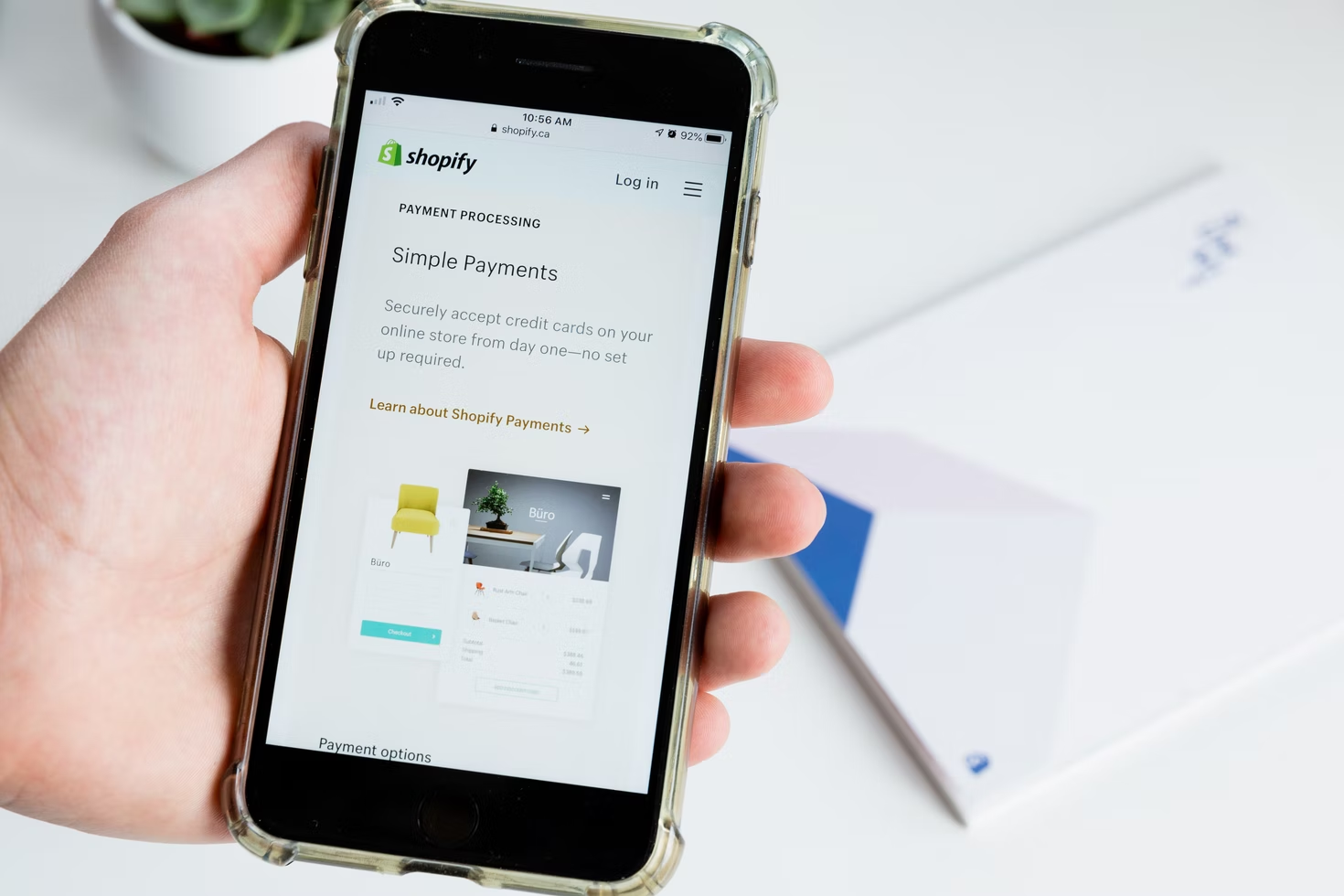
Shopify is only one player in the chargeback process. And compared to other participants, they have very little ability to influence the chargeback process.
Before questioning whether Shopify Payments or any other payment platform sides with customers, you need to understand that there are at least five parties involved in every chargeback dispute. They include:
-
The Cardholder: The card owner, who sometimes isn’t involved in the chargeback fraud.
-
The Customer: The person responsible for the transaction.
-
The Trader: Anyone offering goods or services being bought. Traders often end up bearing the risk of chargebacks.
-
The customer’s bank
-
The trader’s bank
-
The credit card networks
-
Payment processors and payment gateway
These participants decide on the complexity, timeframe, deadlines, chargeback alert, response time, fees, and overhead service cost of transactions.
Now, one reason why we don’t see chargeback cases in court is that there’s very little legal coverage. Instead, chargeback cases are regulated and arbitrated by credit card networks like Visa, AmEx, Mastercard, and Discover.
And although these networks have similar chargeback procedures, they still have significant differences in the case of the Discover card, which acts as both the issuing bank and card network.
Unlike Visa and Mastercard, which are independent interbank networks, Discover and AmEx are banks that manage their private card networks.
These 6 Steps Can Help You Win Chargeback Disputes
-
Gather Helpful Evidence
Always ensure you gather helpful information like:
-
Positive Address Verification Results (AVS)
-
Positive Card Verification Value (CVV)
-
Payer Authentication-Results (ECI code + CAVV OR UCAF results). A strong chargeback liability protection provides proof of authentication and can result in an automatic reversal of chargebacks.
-
Shipping/delivery confirmation from your shipping carrier
-
Customer usage logs (for virtual products and games)
-
Delivery and installation acknowledgment form
-
Customer service logs. Keep a detailed record of your phone and email conversations with the consumer.
Gathering this information will help you greatly in a chargeback dispute.
-
Set Point of Sale Policies
Setting a sale policy based on security concerns can be a great way to successfully avoid chargebacks. These policies can address your entire customer base, or you can tweak them to address specific clients.
These policies can help you:
-
Request buyer billing address and card security code at checkout.
-
Always decline sales whenever billing address and card security don’t match to avoid potential fraud.
-
Only shipping to the registered billing address and keeping records of tracking numbers.
-
Use Helpful Software
Many fraud detection software can help you protect your business from chargeback frauds. Using tools like AVS, Address Verification System, and card security codes will play a vital role in adding an extra layer of security. Other tools to consider include:
-
3D Secure: An authentication service similar to EMV for online sales.
-
Advance fraud software: Like Riskified and Signifyd, which offers chargeback insurance.
-
Shopify Fraud Filter: Protects your business from fraudulent repeat orders.
-
Communicate With Customers
Whenever you encounter chargeback issues, try reaching out to the customer involved to resolve the issue without disputing the claim. A genuinely affected customer will provide you with proof that their claim isn’t fraudulent.
Once that happens, ensure you replace the damaged or defective goods or even offer them store credit to resolve the issue. Only move forward with chargebacks communication with the customer breaks down.
-
Take Action
Always act firm and decisively whenever a chargeback dispute happens, even if they don’t go your way. And if it’s a case of outright fraud, you can ‘ban the customer’ or create a ‘fraud blacklist’ and share it with other merchants.
-
Spread the Cost of Chargebacks
For many eCommerce entrepreneurs, chargebacks exact a costly toll on their business. So, it doesn't surprise us that some entrepreneurs have taken it upon themselves to evaluate the recurrence of chargebacks and determine the average cost of chargebacks. Once that’s attained, these entrepreneurs factor them into their prices.
Spreading the cost of chargebacks across products can help reduce these businesses' financial damage. But this method is frowned at in the industry.





Add New Comment