
How Shayan Zadeh Built and Sold Dating Site Zoosk for $250 Million--then Acquired This Storied Brand

Click here or on the image above to listen to the podcast.
In this episode we talk to Shayan Zadeh, the co-founder of Zoosk (sold for $250 Million) and now the CEO of Dressbarn. Discover:
-
How he acquired the first 200,000 users overnight for Zoosk and solved the classic chicken-egg problem, common in marketplaces (men won't come till there are women and vice-versa)
-
Did he rig Zoosk to favor himself and get dates with attractive women?
-
Why the Dressbarn acquisition has worked so well (growing at 50% month over month!). His 3 secrets for acquiring any business.
-
Is passion really that important for success at business? Zadeh's view.
-
His one word of advice to aspiring ecommerce entrepreneurs
Navigating a Hyper-Local Marketplace
In 2007, when social media was just becoming what it is today, Zadeh and his partner Alex Mehr recognized the macrotrend and knew that consumers were going to spend a lot of time on social media, while most other dating companies were too late to see the opportunity. When Facebook opened itself up to third-party applications, Zoosk was quick to make its move.
Zoosk was launched on Facebook on December 18. When Zadeh went to bed on Christmas Eve, they had 30,000 users. When he woke up on Christmas Day, they had 200,000. Zadeh barely got any sleep during those days.
“Our servers were melting because we were getting so many users on the platform,” he says. “Elastic computing and AWS weren’t as prevalent as today. You were ordering servers, and on Christmas Day nobody was going to give you a new server.” But the boost it gave Zoosk was worth the challenge. They kept growing rapidly after those first days.
“Dating is not only a marketplace; it is a hyper-local marketplace.”
The bigger challenge Zoosk would have to overcome was acquiring users from all genders in every geographical distribution. “If I have eligible singles in Los Angeles, it is not helping people in New York,” Zadeh explains. “You have to have a critical mass in every metropolitan area to become a useful product.”
To achieve this, they used satellite applications on Facebook as vehicles for targeted advertising. Back then, surveys like “Which Sex and the City Character Are You?” could attract significant numbers of female users to Zoosk.
Zadeh acknowledges that it wouldn’t have been possible to build Zoosk from scratch today when social media networks have too many rules and too much content.

Zadeh and his co-founder Alex Mehr on the set of the “Find a Job. Get a Date” campaign video shoot--launched to support their hiring spree during Zoosk’s rapid growth phase.
The Ethics of Matchmaking
Zadeh never used his own app. When they launched Zoosk, he was already in a relationship with his now-wife. But they also banned Zadeh’s single co-founder from using Zoosk, because of the legal issues it could cause. They made it an early policy that no one with access to private information about members could use the platform themselves.
Even though this was a disadvantage for the team, Zadeh believes it was the right thing to do to respect the privacy of their users. The more you listen to Zadeh, the more you realize how much he cares about his users.
Zadeh and his co-founder are both scientists. While some would argue that people with their credentials could work on more transformative innovations to help society, Zadeh is confident in the value of the work he has done in creating Zoosk. “We were able to help hundreds of thousands of people find a companion that improved their quality of life substantially,” he says.
One story he still remembers is of two users in Toronto who had lived in the same apartment complex for years but never met until they found each other on Zoosk. In the end, they got married.
Zoosk Raised 60 Million Dollars in Venture Capital, but It Might Be for the Best That Yours Didn't
“The good thing about having a sophisticated venture capitalist involved in your company, besides the financial benefit, is that they see other businesses in different stages and industries around the same time,” Zadeh says. “They can give you ideas that were not necessarily right in front of you as a founder and entrepreneur. They can be helpful in hiring, especially for executive-level or board members.”
Still, he advises other businesses to remember that this is not the right route for everyone. “Is the business you’re in the right type of business for venture capital?” Zadeh recommends you ask yourself. “Sometimes you are lucky that you get rejected by every VC. If you get venture capital and your business is not venture friendly or venture ready, I think it sets you up for tough times.”
Questions to Ask Before Buying a Business in Trouble
Last December, Zadeh, Mehr, and Tai Lopez acquired Dressbarn, a storied women’s brand founded in 1962 and had $700 million in revenue at its peak. Dressbarn had been struggling before the acquisition. What made Zadeh buy this company at a time when so many retailers were in trouble, and how did he afford to do it?
“Our bid was not the highest dollar amount bid,” he says, “but as part of the package that we put together, we told them that we could take it off their hands in two months, and none of the other bidders were able to do that.”
To decide whether or not it was a good idea to buy Dressbarn, Zadeh and his partners had to step back and ask themselves three important questions:
“Are they in trouble because people are not purchasing products anymore? Has the customer abandoned them? What is causing this issue?”
People were still buying clothes. They were just buying them differently.
“We have different sets of expectations and a lot of these storied retail brands never got on to that train of e-commerce,” Zadeh says. “They have e-commerce, most of them at least do, but it’s an afterthought, it’s the second level citizen.”
Zadeh and his partners acquired the intellectual property of the brand and, for now, they only focus on rebuilding Dressbarn’s online presence. They launched a product that brought the retail to Shopify on January 1st. “So far, our hypothesis has been truly validated, with 50% month over month growth” Zadeh says, “and we are seeing a significant positive response to the brand and the ability to shop online.”
Building Teams, Products, and Connections as a Passion
They say entrepreneurs are much more likely to succeed at things for which they have a passion. While Zadeh didn’t grow up dreaming of helping strangers get married or selling Dressbarn clothes online, he has always been passionate about building teams and products.
“I wouldn’t discourage people from working on an opportunity that’s not their number one passion,” he says. “If you’re passionate about leveraging technology to do things in a better way, you can find parts of that business and advantage of that.”
Thanks to their expertise in Computer Science, Zadeh and his team can innovative solutions to the price optimization and discoverability issues they face.
“We started businesses in the eye of the storm.”
While the Coronavirus caused logistical challenges for Dressbarn, they kept growing steadily since they acquired the brand.
“Nobody could have predicted this happening,” Zadeh says. But this is not the first time his business kept thriving in the midst of a financial crisis.
“One of the fundraising meetings that we had was when the stock market was collapsing,” Zadeh remembers. “All the people in the room were checking their portfolios instead of listening to our pitch.”
Zadeh thinks the pandemic has accelerated pre-existing macrotrends. “E-commerce is going to be a huge part of the economy,” he says.
“Around 300.000 people visit Dressbarn’s new online store every day,” he says. “Think about how many malls in the world can say that.”
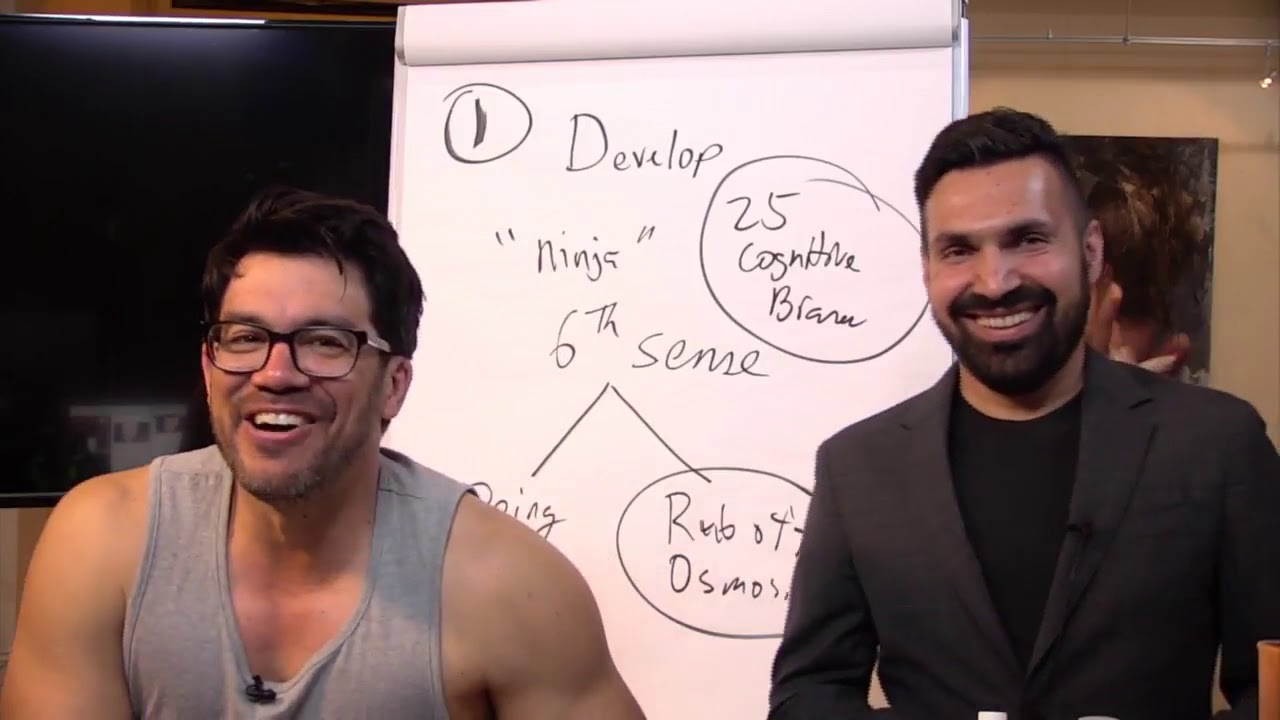
Tai Lopez and Alex Mehr, the other partners (along with Zadeh) in the Dressbarn venture.
The Value of Devoted Buyers
When Dressbarn announced that their stores would be closing, people cried on local news.
“Where am I going to buy my clothes? I have been just shopping here for twenty years,” one devoted customer asked the cameras.
Using their skills in technology, his team wants to make sure they keep those old customers happy while attracting new ones. Selling clothes online gives them the flexibility to try new styles on certain customers, without pushing the old ones away.
Amazon or No Amazon – Is It Still a Question?
Dressbarn is not on Amazon yet, but they plan to be. Zadeh has his concerns about this step, but not so much about Amazon copying their product, unlike many other product owners. As a clothing company, Dressbarn will renew their product line every season anyway.
What makes Zadeh think is losing direct communication with clients. Still, they are going to
experiment and try to leverage the platform of Amazon to convince buyers to become their direct customers in the long run.
“You have to know where the world is moving. Are you moving with it or are you fighting against it?”
Zadeh’s best advice for small to mid-sized e-commerce retailers and those who want to be e-commerce entrepreneurs is identifying the macrotrends of their time and figuring out how they can turn those into advantages.
“As an entrepreneur, you need to seize the moment and take advantage of the available opportunities,” he says. “That has to be done in short windows of time to get something off the ground that otherwise would be very hard to do.”