The Ultimate Guide to Ecommerce SEO: Get More Sales from ‘Free’ Traffic
As Facebook Ads and Google Adwords click costs have risen dramatically, it is more important than ever to get some ‘free’ traffic from search engines if your ecommerce business is to thrive.
Although most customer searches begin from Amazon, 35% of customers purchased a product in five days after using Google.

People use Google to access information. They want to know they’re making the best possible choice. Whether it’s to compare similar products on the market or find the lowest price on an item. It all boils down to customer shopping behavior.
For this reason, you must rank as high as possible on Google. Ecommerce SEO is the only way to reach a bigger audience without spending money on Ads. Ecommerce websites that rank in the first position for a given search are going to prosper.

(source)
If you don’t have an ecommerce SEO strategy in place, you’re missing out on free organic search traffic from Google. We provided this guide to get you started on optimizing your ecommerce business for SEO and increasing sales.
-
Ecommerce Site Architecture
Getting lost xxxx . Whether you’re driving through the city or navigating the mall, the thought of not knowing where you are and how to get to your destination can be stressful. This feeling is similar to how your customers feel when they visit your website.
In today’s society, where everything is about instant gratification, customers won’t search for things for long. People are more likely to grow impatient and leave the site. If people leave, search engines won’t rank it. According to a HubSpot report, 55% of visitors spend fewer than 15 seconds engaging with a website.
An average ecommerce site has more pages than a blog. You should structure your website to make it easier for your visitors to navigate and retain their attention. If you need help with site architecture, we got you covered.
What is site architecture?
Site architecture refers to the structure of your website. It’s how you set up your navigation, category pages, and product pages.
Use flat site architecture for your ecommerce business
Having a flat site architecture makes it possible for people to access each page on your website easily. It should take no more than three clicks to get to any page. The more clicks it takes to reach a page, the fewer the views.
This is a poor site architecture for an ecommerce store:

First of all, this site takes two clicks to get to the category page. And if you want to add products, you have to dive into your site. This kind of structure is disorganized and can affect your search rankings.
Typically, your homepage is the most authoritative page on your site. It’s supposed to pass link juice to other pages and get lots of backlinks to pages (product pages) that want to rank.
Here is an example of a flat site architecture.
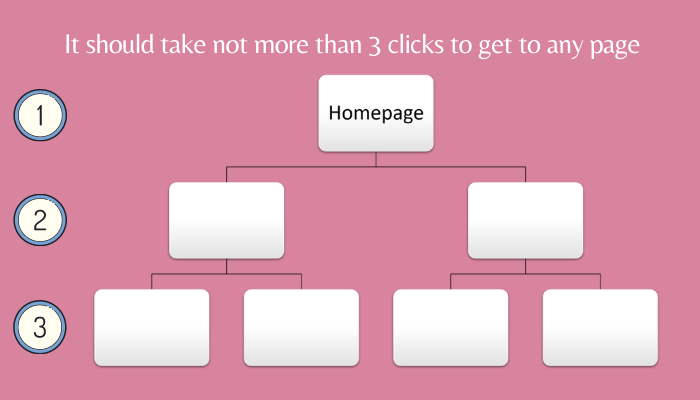
A flat site architecture means that Google can find and crawl all the webpages on your site. The homepage is linked to the category page and the category page to the product page.
Here is a real-life example from the Rhipesbackyard website.

If you want tops for your wardrobe, you should head to the homepage and select tops.

Then, you’ll get a list of products in that category.

-
Keyword Research for Ecommerce Sites
Keyword research is the first thing you should do before running an ecommerce SEO campaign. Without proper research, you’ll target keywords that are difficult to rank or those that don’t get a lot of traffic.
There are 2 ways to conduct research.
-
Using SEO tools
-
Competitor research
Using SEO tools
When researching ecommerce, you have to keep in mind product-focused keywords. This simply means choosing keywords people use to research when they're deciding to buy. For example, if someone is searching for a blue iPhone case, it means that they’re most likely to buy it.
These are some tools you can use for product research.
-
SEMrush
-
Google Keyword Planner
-
Ubersuggest
-
Ahrefs
-
Amazon
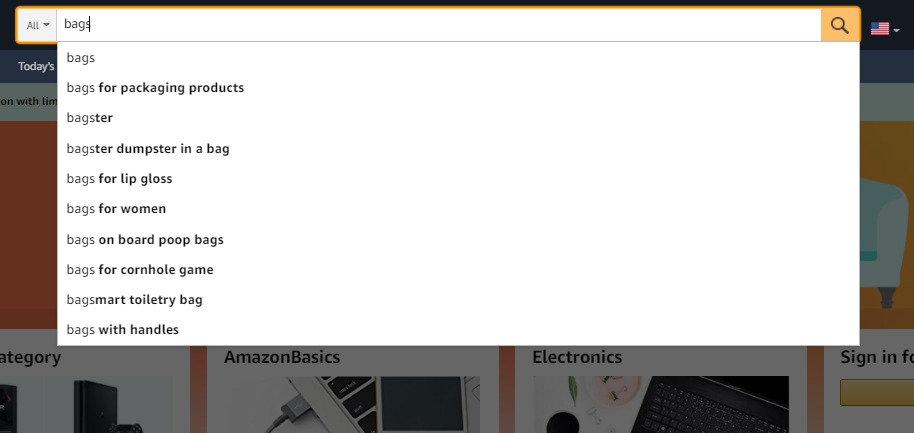
We chose Amazon to demonstrate this process. To begin, go to Amazon and search for the product you want to rank for. You will see a list of keyword suggestions. Take note of these long-tail keywords because they’re less competitive.
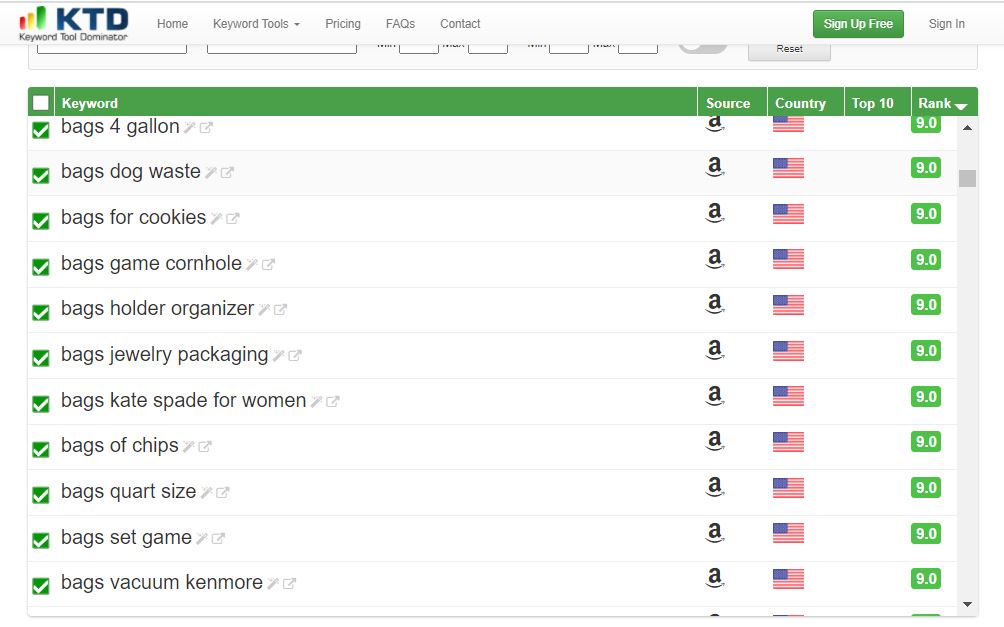
For more keyword suggestions, you can use the Keyword Tool Dominator tool. It helps you find long-tail keywords for what your targeted audience is looking to purchase. It also ranks keywords according to popularity.
Competitor research
Knowing how to analyze your ecommerce competition is important in determining your overall keyword and SEO strategy. If your competitors rank higher in Google, you can use their site to get keyword ideas. However, you don’t have to use all their keywords just because they outrank you. They may outrank you but they also have high domain authority.
Follow these steps on how to do competitor research with the help of Ahrefs.
Step 1. Launch Ahrefs Keyword Explorer to find competitors targeting the same keywords as you. Our target keyword for this demonstration is cat food.
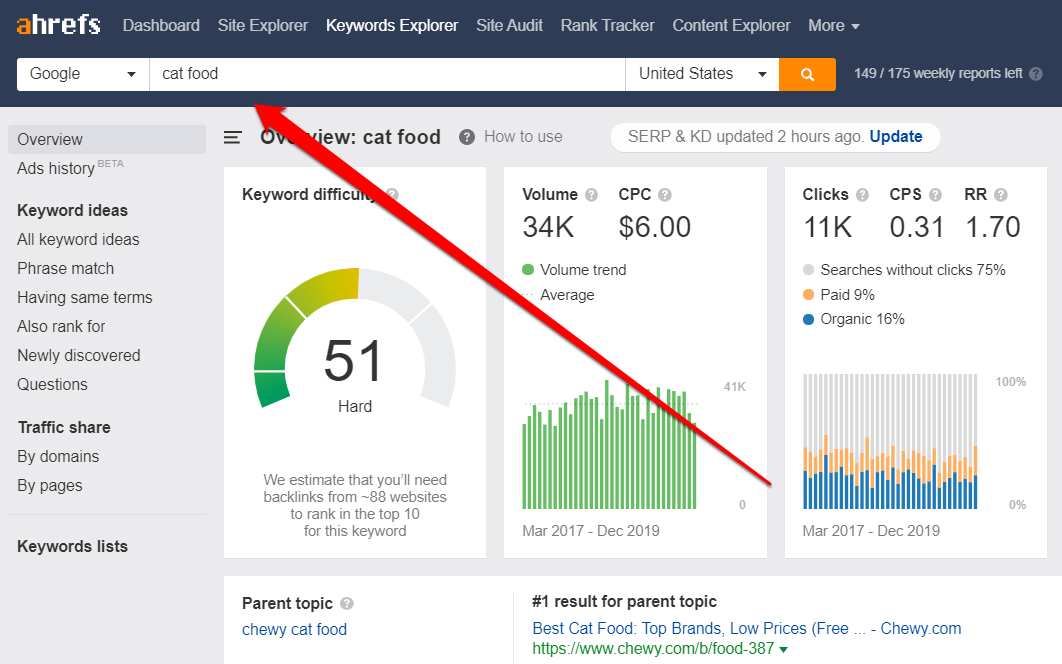
Step 2. Scroll down to the SERP overview to see websites that rank for your target keyword.

Step 3. Grab one of the competitor links and insert into Google’s Site Explorer. Then select organic search.
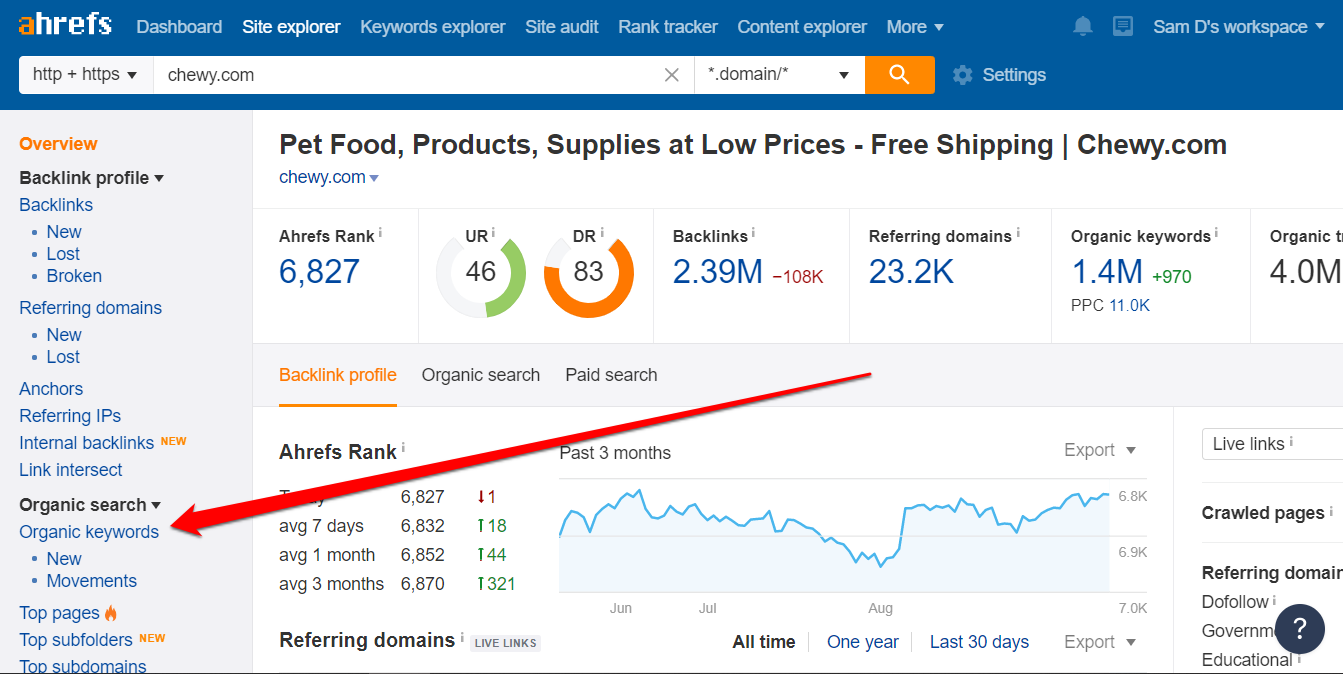
Apply filters to the following:
-
Position - The max should be 20
-
Keyword difficulty (KD) - The maximum should be 15
-
Volume - The minimum should be 200

-
On-page SEO for Ecommerce Site
On-page SEO includes all the actions you take to help your pages rank in Google. It’s ensuring that all the keywords are in the right places.
Optimize title tags and description tags
Use keywords in your title and description tags. This will let Google know what you’re trying to say. Also, don’t forget to add some terms people use for product searches.
Here are some examples:
-
Best
-
Cheap
-
Deals
-
Online
-
X% (10%)
-
Lowest price
-
Sale
-
Guarantee
For example, if the keyword you chose is iPhone XR case, instead of just saying iPhone case, add terms that people often use when searching for this product. Your title tag could be: Best iPhone XR Case. These terms have a higher click through rate which will boost your sales.
Optimize category and product pages
When optimizing for category and product pages, make your descriptions 1000+ words longer. Longer content tends to rank better in Google. It also helps customers know what they’re about to buy.
Remember to write unique descriptions. Don’t copy and paste content from manufacturer websites.
We know how difficult it might be to write every product description with 1000+ words. However, you can at least write an in depth description of the product.
Here’s an example

Add schema markup
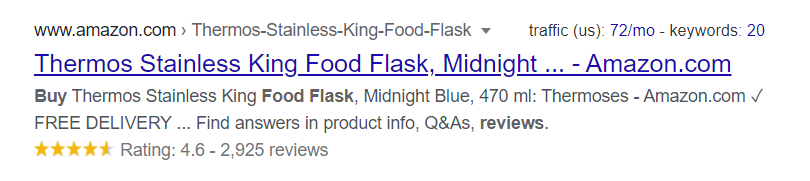
Schema is a code that gives search engines such as Google a better understanding of your page. This will help customers find more information which will increase your CTR, resulting in more sales. You can use schema.org product markup for this.
This is an example of a site with schema markup:
-
Link building for Ecommerce Site
Link building is one of the most important SEO strategies for ranking websites, and it’s no less important when it comes to your ecommerce business. Your links must be coming from high domain authority websites.
Here are some of the best ways to build links for your ecommerce business:
Create compelling content
According to Samuel Darwin from LinkDoctor, content creation was rated as the number one method for link building. You should create content that is backed up by data. You wouldn’t want to link to content that is not factual. You should always do an in-depth research on a subject and use original graphics. This grabs the reader’s attention, which increases your chance of getting a link.
These are some types of content you can create for your ecommerce website.
-
Reviews
-
Frequently asked questions (FAQs)
-
Blog posts
-
Product demo videos
Guest posting
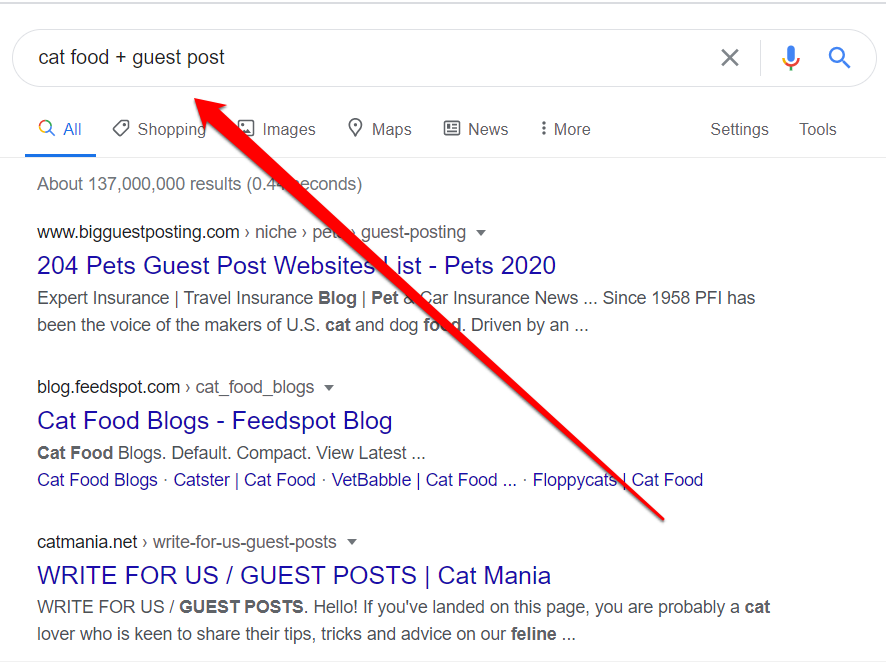
Guest posting is the most popular way of building links for your ecommerce site. By developing your relationships with other industry leaders, it gives your website the necessary exposure to become number one. Reach out to websites with high domain authority since they’re easy to rank.
If you want to find websites for guest posting, Google your keyword and guest post.
Become a source for reporters with HARO
HARO is one of the best press coverage strategies you can adapt to ecommerce business to gain backlinks. To be successful in this strategy, it’s ideal to get featured in popular media publications such as The New York Times, Fox News, Mashable, and more. All you need to do is connect to bloggers and journalists who are looking for sources. In return for your information, they will link to you.
Broken link building
Broken links happen all the time for various reasons. Broken link building is a great way to build relationships with site owners by offering to replace their broken links with yours. All you have to do is find target websites.
Here’s how to do it:
Step 1. Insert a website URL in Ahrefs Site Explorer and hit the search button.
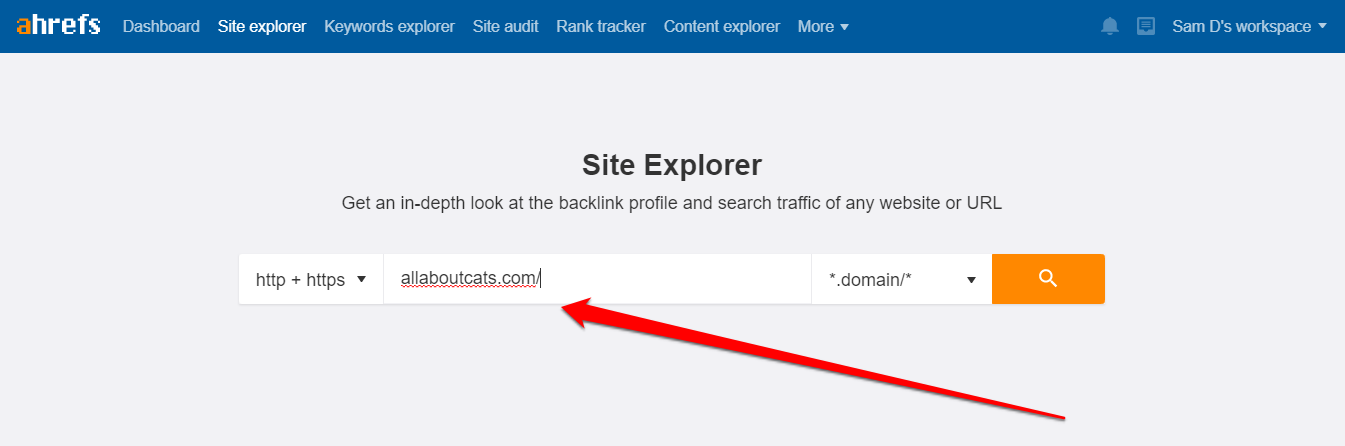
Step 2. Under the backlinks profile, select broken.

Make a list of all these broken backlinks and then reach out to the site owner.
Conclusion
If you want to get thousands of visitors to your business, you need to know ecommerce SEO. Learning this will help you stay on top of your competition. There are many strategies to optimize an ecommerce website; however, those listed above have worked out for many marketers and are the best place to start.