Why These 9 Ecommerce Trends Will Dominate in 2022

It's your birthday, and you've decided to buy something swanky for yourself. You visit an online shopping site like Amazon, scroll until you find the right pair of headphones, and proceed to checkout after paying with your credit card.
The process above is exactly what e-commerce is all about. Any action that involves buying or selling goods online is part of electronic commerce (read: e-commerce).
Ecommerce has evolved greatly since the first-ever online sale in August 1994 (that's almost 3 decades back). From then on came fancy acronyms - B2B, B2C, C2B, and C2C. These stand for the different types of e-commerce models based on the flow of transactions between businesses and customers.
2022 is here, and market experts have predicted various upcoming trends for the future of e-commerce. This post will take you through 9 of them set to take off in 2022.
1. Social Media as a Sales Channel
As in no surprise, more and more people are taking to social media for social interactions, browsing, and online shopping. Here's why: thanks to the advanced integration of payment channels and social media apps, many brands are taking to social media apps like Facebook and Instagram to boost their sales.
Thrift stores or small businesses should find this particularly helpful, as setting up a presence on social media is a very simple process as compared to setting up a domain or e-commerce website. With targeted social media marketing strategies, brands can advertise more (with better returns), interact better with customers, and create a smooth shopping experience for their users.
Users, too, can choose from a wide variety of product options, payment channels, reviews, and referral programs. This is not a new trend but I believe it will become much more mainstream in 2022.
2. Authentic Content Will Win
Say goodbye to plagiarised and sneakily-rephrased content in your advertising and marketing efforts. Authentic content sells, and there's no better way to boost brand image and engagement than by being original.
The past year saw a huge increase in the number of brands that moved to influencer-based marketing (Think: TikTok). Customers moved towards brands endorsed by nano-influencers, micro and macro-influencers, and everyone in between.
A constant inflow of so-and-so brands endorsed by so-and-so influencers has gradually diminished the audience's trust factor.
For the coming year, your brand can work on creating content and review-based efforts that are based on the experiences and knowledge of your own brand members, positively impacting the authenticity and trust factor.
3. Growth of Green Consumerism
Green consumerism is when consumers ask for products and services that have been made using an eco-friendly production process and actions that work towards recycling and conserving the Earth’s resources. (Source)
Sustainable production processes, eco-friendly materials, and ethical labor practices all come under the umbrella term of green consumerism. Here's an example. Various brands in the fashion industry have revamped their collections with products made of eco-friendly fibers and recyclable materials, along with the advocacy of ethical working rights and conditions.
2022 will see not only a rise in the demand for sustainable practices and products but also various brands working towards fulfilling their responsibilities towards this need. In fact, recently the Wall Street Journal published an article about the “Climate Neutral” label and certification. Brands HP, Allbirds, Mars, Lubanzi Wines and 335 others use the label to market their products.
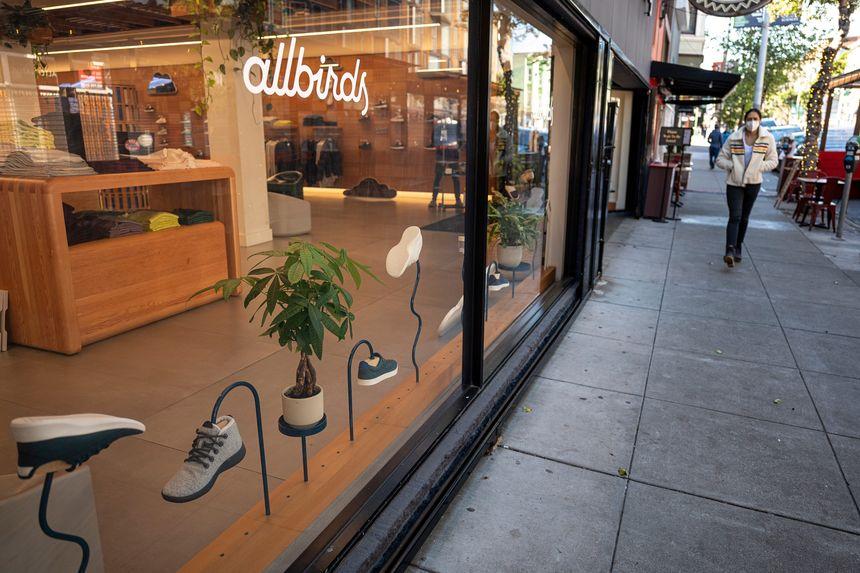
Image Credit: WSJ
4. Personalized Content Will Sell
This trend comes as no surprise. An insightful article by Forbes highlights a few statistics that show the increasing need and influence of personalized experiences, products, and services.
Here are a few of them:
-
80% of consumers prefer brands that provide a unique customer experience - Epsilon
-
72% of consumers only engage with customized messaging from their favourite brands - SmarterHQ
-
80% of consumers only choose brands that personalize their shopping experience. - SmarterHQ
-
71% of consumers do not prefer an impersonal and generic shopping experience - Segment
These stats point towards one of the biggest determinants of a positive customer experience: personalization. Be it customized packaging, or a personalized web page/email newsletter experience, tracking and leveraging customer insights for personalization is essential.
These insights can help you identify which parameters to target, what sort of personalized content, product, or experience your user likes, and how you can deliver such an experience.
5. Focus on Visual Commerce
Be it videos, graphics, images, or simple GIFs, visual content attracts audiences faster than anything else. A strong visual appeal will dominate ecommerce efforts thanks to one simple reason - the more visual your brand efforts are, the quicker your customers will identify their potential.
Here are a few ways visual commerce works wonders for your brand:
-
You can showcase your products through pictures, videos, walk-throughs, AR-based applications, and virtual try-on.
-
You can drive commerce through visual stores on your social media pages or brand website
-
Visual commerce helps streamline your UX and create a two-step purchase gateway.
-
It's a cost-effective way to garner user trust (visual presence = increased trust)
6. Augmented Reality to Dominate UX
2022 shall be the year of AR. AR, or Augmented Reality, is becoming extremely popular as an interactive, trustworthy, and out-of-the-box technology that can be seamlessly integrated into a brand's e-commerce process.
An excellent example of AR boosting positive user experiences is IKEA's new app - "IKEA Place". The app lets users capture their living space and "add" furniture from IKEA's stores to see what their room would look like, without having to move things around.
Utilizing such experiences can greatly impact user experiences and reviews, sales revenues, and brand image.

IKEA Place (Source)
7. Shift to Livestream Shopping
Live shopping hasn't been around for long, but it's predicted to be one of the most popular shopping trends, thanks to the sudden availability of new-age networks.
As indicated by Nokia's India Mobile Broadband Index, 4G clients have grown to over 700 million users between 2015-2020. Out of this, a whopping 46% of clients access e-tail and e-B2B through their gadgets.
Why is this important for the coming year? India, for example, will begin rolling out a new, superfast 5G network in 2022. Many countries have already started rolling out 5G. Enhanced shopping experiences will be commonplace, and trends like live video shopping will be your best bet at making the most out of these advancements.
8. Voice-Based Searching
Siri, Alexa, Cortana, and Google Assistant have single-handedly helped millions of users shop in the past year. (For example: "Siri, search for leather handbags from LV") Voice-enabled search has various benefits, one of them being increased accessibility.
Revamping your brand website to make it voice-search-friendly will increase voice-search-based user traffic to your site.
Researching user trends and studying brands that have optimized their content to be voice-search-friendly can prepare your brand's efforts well for the coming year.
9. Chatbots Are Here to Help
Imagine the number of hours you can save if you optimize your website with a chatbot that can answer user queries 24x7.
Chatbots are a powerful version of AI-based e-commerce that can be customized according to your brand's needs. With a growing need for quick resolution of customer queries, chatbots are a welcome change to your existing website and/or social media pages.
What's more, these chatbots can provide excellent customer insights and performance analytics based on the questions site visitors asked most frequently and the products/services they requested the most.
Wrapping up
2022 is proving to be a promising year for e-commerce, with multi-dimensional improvements in the tech and retail space. Studying and implementing multi-faceted strategies based on these trends is what will help your brand take off in the new year.
By Paul Fraser. Paul is a Freelance Content Writer at Commerce Mentors.