Why This Type of Cart Can Likely Get You More Sales

Image credit: dadazi.net
Dronacharya was an accomplished warrior, and trained his royal students well in the art of archery. One day he decided to test their archery skills. Setting up a painted wooden fish on top of a tall pole, he then installed the pole at the center of a pool of water.
He told his students that he wanted them to look down at the reflection of the fish in the water and shoot the eye of the fish. The first student rose and positioned himself. Dronacharya asked him what he saw. He said that he saw the ground, the water, the pole, and the fish. Dronacharya told him he was not ready and asked him to sit down.
He then asked the next student to come forward. Once he was positioned, Dronacharya asked him what he saw. The student responded that he saw the water, the pole, and the reflection of the fish.
Dronacharya told him he was not ready and asked him to sit down. He asked the princes to come forward one by one, asking them what they saw and then asking them to sit down. Finally, he asked Arjuna to come forward.
Arjuna got positioned. Dronacharya asked him what he saw. Arjuna responded:
“I can only see the center of the eye of the fish.”
Dronacharya asked him to fire the arrow. Arjuna did as instructed and his arrow hit the fish right in the center of its eye. After congratulating Arjuna, Dronacharya told the other students that they failed the pretest and hence were not ready to attempt hitting the target. Archery is all about being singularly focused on the target. If the archer can’t fixate on just the target, success is likely to be elusive.
The story, an Indian epic, is from the book Dandho Investor by Mohnish Pabrai. In ecommerce, you can often generate more sales by first focusing. By this, I mean sending paid traffic to a dedicated long form landing page with a single product vs. sending it to a catalog or category page. This is sometimes referred to as using a “closed cart” vs. an “open cart”. Russell Bruson of the ClickFunnel’s fame calls it selling with a funnel vs. selling with a website.
Once you’ve made the initial sale, you can then present your other products to the customer.
This is especially true for higher priced and novel products. Say you have a site that sells all kinds of wellness classes like yoga, weight training, cross-fit, meditation, calisthenics, running etc. Visually, here’s the difference between the two approaches:
Category Page, Catalog or Homepage (unfocused, a little descriptive text and then a buy button)
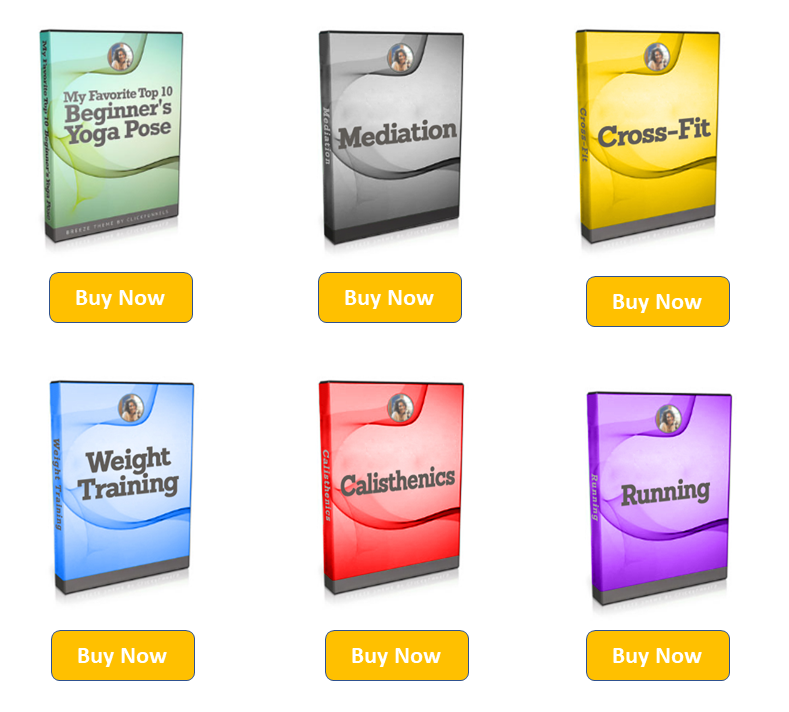
Dedicated Landing Page (focused, significant effort to articulate the value proposition)

Courtesy of ClickFunnels
The dedicated landing page allows you to tell a story and articulate the product’s value proposition, which almost always leads to a higher conversion rate.
This might seem obvious but we see even otherwise sophisticated clients making this elementary mistake: sending expensive traffic to a category page or homepage.
There is a mistaken belief that people don’t want to read long pages, they just want to buy! If only this were true, we’d all be rich and famous--and, like in Lake Wobegon, all the women would be strong, every man good-looking, and each child above average :)
That said, the page should not be long for the sake of being long. Each element should serve a specific purpose as determined by surveying both your non-buyers and buyers.
When we survey non-buyers the typical reasons given for not buying include:
-
The product is too expensive
-
I am not sure the product will work (or not sure it will work for me)
-
Confused by too many options (common for giant catalog sits with hundreds or thousands of SKUs)
-
It doesn’t seem any different from others I’ve tried
-
Just browsing
Below are some effective techniques for each respective objection:
-
Justifying the price, by emphasizing the value received. Even better is showing comparisons with actual dollar values. For example, for our WhichOneWon club the monthly price seems like a pittance when you think of the work and ad spend involved in all the case studies you get access to.
-
Using the right kind of testimonials for the concern expressed.
-
Wizards that help visitors navigate the thicket of choices, are especially effective e.g. browse by Brand, Age, Intent etc. This is about getting prospects to “see only the center of the eye of the fish”, like Arjuna! In other words, narrowing the focus to avoid confusion.
-
Explaining the unique mechanism that makes the product effective, like Protalus did in explaining how their insoles solve pronation and supination, aligning the body in a neutral way. Also handy are customer reviews and expert reviews--for health related products it is hard to beat the folks in white coats!
-
Creating urgency
Handling each objection with the above techniques, so that more people buy, requires space and focus--it is hard to do well when you have several products or unrelated elements on a page, competing for attention.
You can further increase focus at the traffic source level i.e. only targeting a particular kind of visitor to send to the page. Like Arjuna, if you can get your site visitors to “see only the center of the eye of the fish”, (at least for time being) you will generate more sales!